Blog

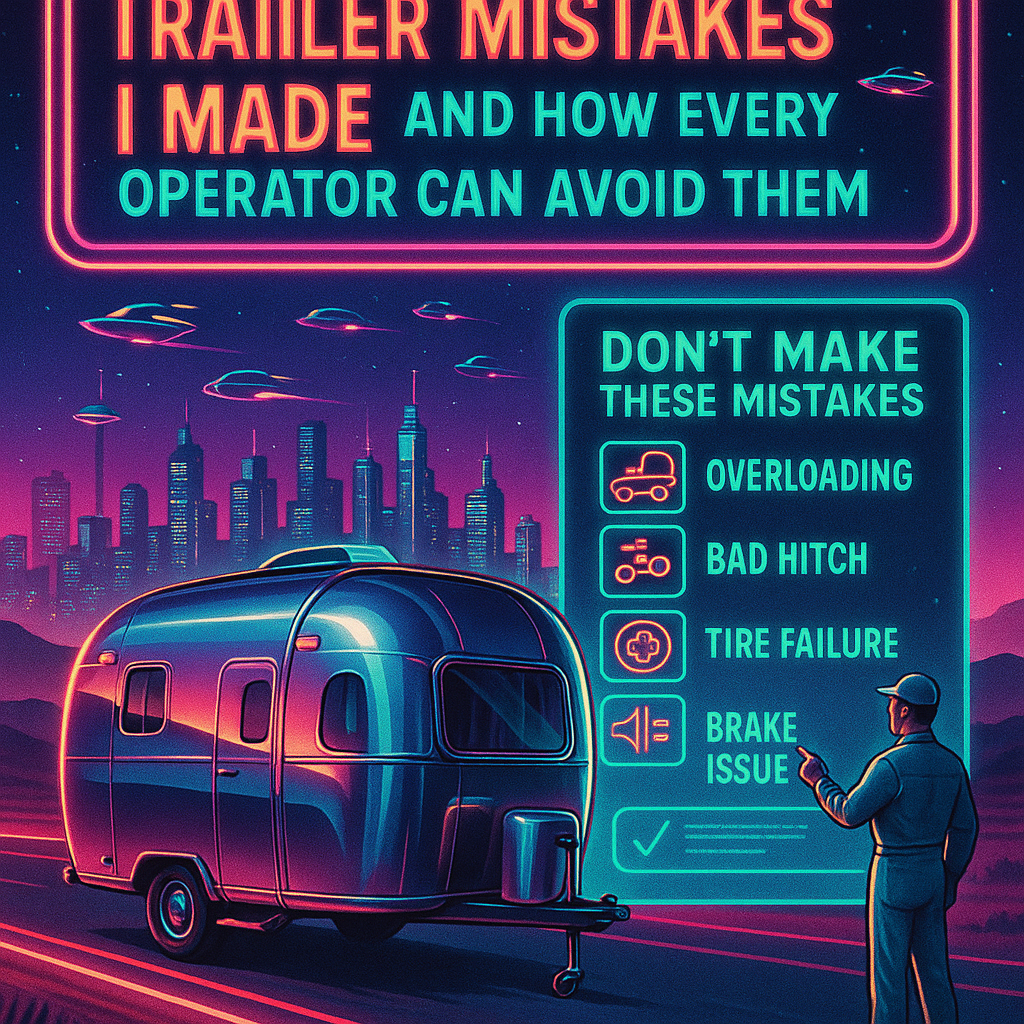
  • The Costly Trailer Mistakes I Made and How Every Operator Can Avoid Them

    The Costly Trailer Mistakes I Made and How Every Operator Can Avoid Them

    The Costly Trailer Mistakes I Made and How Every Operator Can Avoid Them

    I learned the hard way that small oversights compound fast. On a wet Tuesday in April, a routine pickup turned into a day-long recovery when a trailer tire blew on the highway. That one failure cost time, a repair bill, and a missed contract. I walked away with a clear list of costly trailer mistakes and a plan to stop repeating them.

    This article lays out the problems I saw in the field, the practical fixes that actually worked for a busy crew, and simple checks you can add to daily operations so a small problem never becomes a business-stopping one.

    Overlooking daily checks: the small routines that prevent big failures

    Daily checks feel tedious when you are behind schedule. I used to skip anything that looked cosmetic and trusted that tires, lights, and couplers were fine. That trust cost me.

    Start with a focused 10-minute walkaround before you hit the road. Look for tire bulges, sidewall cuts, or uneven wear. Test every light and reflector. Feel hitch connections and safety chains for looseness. These are the high-payoff checks that catch issues before they escalate.

    Make the checks tangible. Tape a laminated checklist to the trailer tongue. Mark the date and initials each time. The habit takes days to build and pays for itself the first time it prevents a breakdown.

    Ignoring weight distribution and load securement: how planning saves equipment and time

    One afternoon I loaded a pallet of equipment and shoved it to the back to fit another load. The trailer fishtailed on the highway. Weight distribution feels academic until it becomes an emergency.

    Measure and plan load placement. Aim for 55 to 65 percent of cargo weight forward of the trailer axle on a single-axle trailer. On tandem-axle rigs, keep weight centered between axles and avoid overloading any single wheel. Use a simple bathroom scale and plank to estimate tongue weight if you don’t have a commercial scale.

    Secure loads to prevent shifting. Ratchet straps with edge protectors and wheel chocks for wheeled equipment reduce movement. If you carry odd-shaped gear, create blocking patterns with scrap lumber and soft straps to keep heavy items from sliding.

    Skipping regular maintenance on brakes and bearings: the slow wear that bites when you least expect it

    Brakes and bearings don’t fail with fanfare. They degrade quietly. I let bearings run longer than I should because we were busy. One weekend job ended with a seized hub and a tow bill.

    Schedule maintenance by miles and time. Repack wheel bearings at regular intervals, follow rotor and pad service limits, and check brake actuator travel on electric-over-hydraulic systems. Keep spares on hand: a set of bearings, a spare hub seal, and a basic brake parts kit will save hours waiting for parts.

    Create a simple maintenance log. Note service dates, mileage, and parts replaced. Over a year, that record shows trends and helps you plan downtime around slow periods instead of emergency stops.

    Neglecting corrosion and wiring: cheap repairs that avoid bigger electrical and structural problems

    Trailer wiring runs exposed under the frame and gets battered by road debris and salt. I patched a short with tape rather than replacing a damaged section. That patch failed in heavy rain, disabling lights on a busy route.

    Inspect wiring runs and protect them with split loom, conduit, or anti-chafe tape where they rub against metal. Clean and protect connectors with dielectric grease. For frames and floors, address rust early. Grind a small rusty patch, apply a rust converter, prime, and paint. Replacing a few feet of corroded metal costs much less than swapping a frame or dealing with a collapsed floor.

    People and processes: training, documentation, and the quiet ROI of systems

    Human error contributes to many trailer failures. I once watched a new hire hitch a trailer with a worn coupler and no safety chains in place. The hitch held, but it was a gamble.

    Standardize how you hitch, load, and inspect. Train every operator to the same simple standard. Use short checklists pinned in the cab and on the trailer. Invest time in a 20-minute onboarding demonstration for new hires. That time repays itself quickly in fewer mistakes and safer loads.

    Good leadership focuses on small, repeatable processes. If you want better field performance, document how you do work and then enforce the basics reliably. For wider reading on developing consistent site practices and leadership that sticks, I found practical frameworks helpful.

    Simple upgrades that reduce risk and stop repeat problems

    A few low-cost upgrades make a big difference. Replace worn tires with the correct load-rated units. Fit breakaway systems and test them monthly. Swap inexpensive LED lights for old incandescent fixtures to cut electrical faults. Apply reflective tape to the rear and sides of work trailers for low-light visibility.

    If you manage a small operation and need to be found by local customers, learn the fundamentals of seo for listings and service pages. Clear, accurate online listings reduce the friction of booking and let you spend more time maintaining equipment and less time chasing leads.

    Closing: build the routine that prevents your next breakdown

    Trailers are tools that reflect how well you run your business. The most expensive mistake is treating maintenance like an afterthought. Short, repeatable checks, clear load plans, scheduled brake and bearing work, and simple corrosion prevention keep you on schedule and off the side of the road.

    Start with a ten-minute walkaround and a laminated checklist. Train staff to perform the same checks. Add a maintenance log and a small spare-parts kit. These habits will turn costly trailer mistakes into rare stories you tell over coffee, not headaches that cost a day of work.

    You will still face surprises. Do the small things well and most surprises stay small.
  • Trailer Maintenance Plan That Keeps Your Fleet Moving

    Trailer Maintenance Plan That Keeps Your Fleet Moving

    Trailer Maintenance Plan That Keeps Your Fleet Moving

    I learned the hard way that a good trailer maintenance plan is not a stack of invoices tucked into a glovebox. It is a living checklist that protects revenue, prevents roadside nights, and keeps crews working on schedule. The story starts with a spring rush when a worn hub bearing doubled downtime for a two-trailer crew and turned a profitable week into a scramble.

    That week taught me how to build a durable system, and how small changes in inspection timing, parts stocking, and crew habits reduce big costs. Read on for the practical steps I use with crews who treat trailers as tools—not toys.

    Start with a simple, repeatable inspection cadence

    Complex checklists fail in the field. Your maintenance plan must begin with a short, repeatable inspection every time a trailer returns to the yard. Limit the post-trip check to five critical items that catch most failures: tires and pressure, wheel bearings and hubs, lights and wiring, hitch and coupler, and load securement.

    Document each check with a single-line log entry: date, trailer ID, inspector initials, and one-word status. That tiny habit creates a searchable rhythm. When a problem is missed, the log reveals whether the gap was human error or a systemic issue.

    Seasonal adjustments and preventive parts stocking

    Seasons change wear patterns. Heat, cold, and road salt affect tires, brakes, and electrical connectors differently. Build seasonal steps into the maintenance plan so inspections shift from reactive to preventive.

    In spring, focus on wheel bearings and trailer seals. In wet months, increase checks on wiring and connectors for corrosion. In cold months, prioritize battery-backed lights and brake responsiveness. Adjust the inspection frequency rather than the checklist size; crews remember a cadence easier than a longer form.

    Stock the five most-used spare parts for each trailer model. Don’t overstock; pick parts that stop a job: a spare hub assembly, emergency wiring harness, coupler latch, a tire and rim, and a set of brake pads. Keep those spares in labeled bins and rotate them through routine jobs so shelf life and familiarity stay high.

    Fix small problems immediately; small delays compound

    A cracked wiring boot or a slow-leaking tire can wait a day in theory. In practice those small issues grow into major failures. The maintenance plan should include a hard rule: any item that could strand a trailer within one job window gets fixed before it leaves the yard.

    Make this rule visible. Post a one-page decision guide at the workbench: if it can cause a roadside stop or fails a safety inspection, fix it now. That discipline reduces emergency calls, towing costs, and the morale hit crews take when a planned day turns into a salvage operation.

    Create ownership through clear roles and short training

    Maintenance works best when responsibility is clear. Assign each trailer to an owner: a mechanic, lead driver, or yard manager. Ownership means the person is accountable for the inspection log, parts restock, and scheduling preventive work.

    Train owners with short, hands-on sessions. Focus training on the five critical items from your daily check and on how to swap the five stocked parts. Keep sessions under 30 minutes and follow each session with a quick field quiz where the trainee completes a real inspection log. Practical confidence beats theory.

    Use simple records and one natural digital step

    Paper logs work, but they fail when crews split sites or when a supervisor needs a quick history. The best compromise is a one-step digital backup: a single shared spreadsheet or free inspection app that captures the daily one-line entries and flags open issues.

    Make entries take under 30 seconds. Use dropdowns for trailer ID and status and include an automatic timestamp. A single searchable file solves scheduling conflicts and shows chronic problems by trailer or route. If you want to improve route planning or online presence later, basic digital records will make that easier—think of it as hygiene, not analytics. That said, learn basic seo principles if your equipment listings or service pages need traffic to attract reliable subcontracts.

    Leadership in the yard matters as much as tools

    A maintenance plan succeeds when yard leadership enforces the small rules consistently. Good leadership sets norms about fixing small problems, restocking spares, and keeping logs current. Leaders who walk the yard, ask one question at a time, and follow up on open items get the best results.

    If you want structured ways to communicate expectations and coach crew performance, study basic leadership techniques that focus on feedback loops and short, practical instruction. The most effective leaders I worked with spent more time teaching repairs than writing policies.

    Closing insight: treat maintenance as cash flow protection

    A trailer maintenance plan is not a cost center. It is insurance against lost days, late jobs, and eroded customer trust. The practical steps in this article—short daily checks, seasonal adjustments, a small spare-parts kit, immediate fixes, clear ownership, and a single digital record—add up to fewer roadside calls and steadier weeks.

    Start with the five-item daily check. Build seasonal tweaks around that cadence. Train owners in 30-minute sessions. Fix anything that can strand a trailer before it leaves the yard. These moves turn maintenance from a drain into a predictable business control.

    When you treat trailer maintenance that way, you keep trailers working where they belong: earning money on the road, not waiting on a tow truck.

  • Seasonal Trailer Maintenance: A Field-Proven Plan to Keep Work Rolling

    Seasonal Trailer Maintenance: A Field-Proven Plan to Keep Work Rolling

    Seasonal Trailer Maintenance: A Field-Proven Plan to Keep Work Rolling

    I was standing in the rain at 6 a.m., watching a tandem-axle trailer sag in the middle of a job because a bearing had locked. That one failure blew a six-hour day into a day-and-a-half scramble for parts, a tow, and an embarrassed client. Seasonal trailer maintenance would have prevented it.

    Seasonal trailer maintenance is not a one-off chore. It is a rhythm you build into your business so trailers behave like tools instead of liabilities. Below are practical steps I use in the field—simple checks, repeatable routines, and small investments that save hours and dollars.

    Why seasonal trailer maintenance matters

    Trailers face cycles: summer hauling, rainy-season mud, winter salt. Each season stresses different systems. Tires, bearings, brakes, and wiring react to heat, moisture, and load in predictable ways.

    Skip seasonal checks and you accept higher breakdown risk, unplanned downtime, and faster wear. For a small operation, a single avoided failure pays for a year of preventive parts.

    Pre-season checklist: inspection and repairs

    Start each season with a focused walk-around and a written checklist. Do it with the trailer unloaded so suspension and frame flex reveal problems.

    Hitch and coupler: Inspect for cracks, excessive wear, and proper latching. Replace worn pins and grease the coupler where metal meets metal.

    Tires and wheels: Check tread, cuts, and sidewall bubbles. Measure tire pressure cold and set to the load rating, not just “recommended.” Torque wheel studs after the first 50 miles following any wheel work.

    Bearings and hubs: Listen for growls during a short road test. If you must repack bearings, do it on the bench—contaminated grease is the most common cause of bearing failure.

    Brakes: Measure drum or rotor wear and test function at low speed in a controlled area. Adjust mechanical brakes to the manufacturer spec. With electric brakes, verify the controller outputs correct voltage and response.

    Lighting and wiring: Inspect all connectors, seals, and pigtails. Water intrusion kills stop and turn lights. Replace brittle harnesses and seal connectors with dielectric grease.

    Frame, decking, and fasteners: Look for rust at welds, loose bolts, and rot in wood decks. Replace individual boards; do not wait until the entire deck fails.

    Mid-season habits that save downtime

    Do a quick warm-season inspection every two weeks when usage is heavy. Spend ten minutes per trailer and you will catch slow leaks and loose hardware before they become a breakdown.

    Start your week with a brief crew huddle that assigns one person to a trailer quick-check. Small teams run better when someone owns the little things. That kind of leadership keeps routines honest and problems small.

    Record each check. A dated photo of the tongue, a tire pressure reading, or a short note about brake feel saves guessing later. A simple app or notebook works better than memory.

    Carry a compact emergency kit: spare wheel, basic hub lube, cotter pins, adjustable wrench, and a multimeter. These items turn a trailer-stopping fault into a 30-minute fix.

    Care for electrical connectors mid-season. Moisture builds inside harnesses and causes intermittent lights that look like big wiring problems. Pull, clean, and reseal suspect connections.

    Winter storage and end-of-season steps

    If you store trailers for months, winterize them to avoid spring surprises. Clean and dry the trailer thoroughly before storage to stop corrosion and mold.

    Elevate the trailer or support it so tires do not sit flat for months. Inflate to the storage pressure and consider tire covers to limit UV damage.

    Drain and replace hydraulic fluids and antifreeze where applicable. Grease pivot points one last time. Seal any exposed cuts in wood decking with a proper deck finish to prevent freeze-thaw damage.

    Record the storage condition and location of serviceable parts. When spring returns, that record speeds the first inspection and reduces replacement guesswork.

    Small upgrades that have oversized returns

    Swap to tapered roller bearings where practical; they tolerate heat and side loads better than plain bearings. Add a simple breakaway switch and test it quarterly.

    Invest in better seals at hub flanges and at wiring bulkheads. These small parts stop the slow moisture creep that ruins hubs and lights.

    Consider a color-coding system for fluid caps, grease fittings, and tire pressures. It reduces human error during busy swaps and seasonal handoffs.

    A clean, consistent maintenance log does more than document work. It helps when you need to explain a late-season failure or when you rotate equipment between crews. Small shops that treat records like assets spend less time troubleshooting.

    Mid-season is also a good time to think about how you appear to customers. Clear, consistent records and dependable equipment matter as much as price. Investing a little in reliability protects your reputation and keeps repeat work steady. If you manage a web presence, simple seo basics help potential clients find evidence of your dependability.

    Closing field insight

    Seasonal trailer maintenance is a habit, not a task. Build a short, repeatable plan for each quarter: pre-season deep check, biweekly mid-season quick check, and a careful end-of-season winterization. Train one person to own the rhythm and keep a visible log.

    The cost of a routine bearing repack or a sealed connector is small compared with a day lost on the roadside and the ripple effect on client schedules. Work on reliability first, and busy seasons become predictable. You will lose fewer weekends to surprises and your trailers will behave like the tools they are meant to be.

    Do the checks. Keep the records. Protect the business.

  • Trailer Maintenance: Five Costly Mistakes Owners Make and How to Avoid Them

    Trailer Maintenance: Five Costly Mistakes Owners Make and How to Avoid Them

    Trailer Maintenance: Five Costly Mistakes Owners Make and How to Avoid Them

    I learned the hard way on a two-week job that went sideways because of a simple oversight. We were hauling roofing bundles up a mountain road when a hub bearing began to sing. By the time we stopped, the seal had failed and grease had gone everywhere. The load was fine but the trailer was out of commission for three days. That delay cost labor, a missed deadline, and a client who deserves better.

    Trailer maintenance starts with habits, not heroics. In this article I’ll walk through five common, costly mistakes I’ve seen on jobsites and yards. Each section has practical checks and a clear action you can apply tomorrow.

    Neglecting a short, regular inspection

    Many owners only look at a trailer when something already smells or smokes. Inspections that take ten minutes every week prevent most breakdowns. Make a checklist and run it before every job that matters.

    H3 Quick daily inspection routine

    Start with lights and tires. Walk around the trailer, test turn signals, brake lights, and running lights. Check tire pressure, sidewall cuts, and look for uneven wear. Listen at each hub after a short run for new noises.

    H3 Weekly undercarriage check

    Raise the tongue or use ramps to look for loose bolts, rusted frame points, and bearing grease leaks. Inspect the chains, coupler latch, and safety wiring on winches or ramps. Replace missing or badly corroded fasteners immediately.

    Overloading and poor weight distribution

    Overloading rarely looks like a catastrophic pileup at first. It starts as a trailer that wanders, drifts at highway speeds, or makes your tow vehicle feel unstable. That instability causes faster wear on tires, axles, and suspension.

    Know your trailer’s gross vehicle weight rating and the tongue weight spec. Use a small scale at a truck stop or shop to spot-check loaded weight. If you carry different kinds of loads, make a loading diagram and train crews to follow it.

    H3 Practical loading controls

    Position heavy items over or slightly forward of the axles. Secure everything to prevent shifting. If a load requires special bracing or blocking, keep a simple kit on every trailer so teams don’t improvise with materials that can fail.

    Letting wiring and lights degrade

    A burned-out tail light or a frayed harness is less visible than a flat tire but just as dangerous. Corrosion at connectors shortens wiring life and creates intermittent failures that are hard to diagnose on the road.

    Clean connectors with contact cleaner and dielectric grease. Replace pigtail ends that have exposed wires. Test lights before pulling away on every trip, and carry a roll of spare wire, butt connectors, and a basic tester in the truck.

    Ignoring tires, bearings, and brakes until failure

    Tires, bearings, and brakes are a package. One weak link accelerates the others. A slightly underinflated tire heats faster and stresses wheel bearings. A sticky brake pad overheats and ruins a hub seal.

    Rotate tires when you rotate service tasks. Check bearings for play and repack them on a predictable schedule, not only when a noise starts. For electric brakes, test the controller and run a short braking test in a safe area after maintenance.

    H3 Maintenance intervals that save money

    Create an interval chart: daily light and tire checks, weekly fastener and wiring checks, and monthly bearing/axle inspections for trailers in heavy use. Track service dates on a whiteboard in the shop or a simple spreadsheet.

    Skipping documentation and planning

    Too often I see teams that rely on memory for parts sizes, torque specs, or the correct replacement seal. That leads to wrong parts, extra downtime, and repeat trips to the parts counter.

    Keep a binder in each truck with axle specs, torque charts, and an inventory of common spare parts. A phone photo of a torque plate or a tag on the trailer with axle rating saves time in the field. When crews change shifts, document the last inspection and any anomalies.

    Midway through a busy season you’ll notice performance differences between crews that prioritize checklist discipline and crews that do not. Good leadership enforces the small habits that prevent big failures. Likewise, when you manage your business’s online presence, a modest focus on seo for your service listings helps customers find the right replacement parts and service options before a breakdown becomes an emergency.

    Putting the system in place without adding friction

    People resist new processes if they feel like paperwork. Keep forms short, mobile-friendly, and tied to outcomes. Rewarding a crew with fewer breakdowns should come from better scheduling and less overtime, not from punitive measures.

    H3 Tools that make inspections stick

    A laminated one-page checklist, a simple tag system for “inspected” trailers, and one digital photo uploaded to a shared folder will work better than long forms. If you introduce a digital tool, pilot it with one crew for two weeks and tweak based on real feedback.

    H3 Training and onboarding

    When new hires start, walk them through three real inspections with a veteran. Make them responsible for one trailer’s weekly checklist for their first month. Accountability in the field builds competence faster than manuals.

    Closing insight: small routines stop big failures

    Most trailer breakdowns are not dramatic. They are the sum of small, ignored items. A weekly ten-minute routine, clear loading rules, basic electrical care, and a short parts and documentation system cut costs and keep schedules intact.

    The work is not glamorous but it is effective. Train crews to value inspections and make the tools and information easy to use. In the long run your trailers will spend far more time on the road doing work and far less time stuck on the shoulder.

  • Seasonal Trailer Maintenance: A Practical Plan to Keep Your Fleet Ready

    Seasonal Trailer Maintenance: A Practical Plan to Keep Your Fleet Ready

    Seasonal Trailer Maintenance: A Practical Plan to Keep Your Fleet Ready

    I learned the hard way that the right seasonal trailer maintenance keeps jobs on schedule and repair bills small. One winter morning a leaking seal turned a three-hour job into a half-day emergency and taught our crew the value of a predictable maintenance rhythm.

    Seasonal trailer maintenance matters because trailers sit idle, face salt and moisture, and carry variable loads. This article lays out a practical, step-by-step approach you can use at the start of each season. Use it whether you run one trailer or a small fleet.

    Assess: the seasonal inspection that prevents surprises

    Start with a focused walkaround that takes 10 to 15 minutes. Do this before the season begins and again after any long layoff. Record what you see on a sheet you can reuse.

    Look for obvious safety issues first. Check tires for sidewall cracks, uneven wear, and correct pressure. Inspect lights, wiring harnesses, and connectors for corrosion or chafed insulation. Test brakes and listen for unusual noises when you spin the hub by hand.

    Under the deck, look at the frame for rust that has compromised metal, not just surface scale. Inspect fasteners and welds for fatigue. Grease points often ignored in day-to-day use show themselves here. Tighten loose bolts and note problems that need welding or replacement.

    Quick checklist for the assessment

    Start with tires and pressure, then lights and wiring, then brakes and bearings. Finish with frame, fasteners, and hitch components. A short, repeatable checklist reduces missed items over time.

    Service: four maintenance actions that save money

    Prioritize repairs that affect safety and uptime. Make these four actions non-negotiable every season.

    1. Wheel bearings and brakes. Repack or replace bearings where recommended. Adjust electric or hydraulic brakes and replace pads or shoes that are worn. Failing to maintain bearings is one of the fastest ways to end a day on the shoulder.
    2. Suspension and bushings. Inspect leaf springs, hangers, and rubber bushings. Replace worn bushings before they cause misalignment and irregular tire wear.
    3. Electrical connectors and lights. Clean and dielectric-grease connectors to prevent intermittent faults. Replace bulbs and lenses that let moisture in.
    4. Floor and deck protection. For wooden decks, replace rotten boards and coat exposed areas with a breathable preservative. For metal decks, remove surface rust and touch up paint to stop corrosion from spreading.

    Protect: seasonal steps to guard against weather and corrosion

    Climate matters. In wet or cold regions, salt and road chemicals accelerate damage. Take a few protective steps that cost little but last a season.

    Apply a rust inhibitor to vulnerable welds, the tongue, and axle areas. If you store trailers outdoors, invest in breathable covers for critical components like couplers, electrical plugs, and the breakaway battery. Elevate trailers slightly off the ground on blocks if long-term storage is expected; tires benefit from even short-term relief.

    If you store trailers in winter, drain water tanks and remove perishable materials. Keep batteries on a maintenance charger or use a simple disconnect to prevent deep discharge. Moisture inside RV-style trailers quickly ruins seals and upholstery; a small desiccant pack makes a big difference.

    Plan: build a seasonal maintenance calendar that fits real work

    Maintenance only works if it fits your workflow. Create a calendar with two fixed checkpoints: pre-season and post-season. For high-use operations add a mid-season check. Assign responsibility to a person, not a role.

    Make one calendar entry for parts ordering. Lead times stretch in busy months. Order spare tires, brake parts, and common electrical connectors well before the season. Track serials and sizes so you don’t scramble for a spec sheet when a roadside failure happens.

    For crews and foremen, invest time in short training sessions. Teach simple inspections and how to log issues. This builds consistent standards without expensive diagnostics.

    Midway through the season, review costly repairs and ask if any recurring failures point to a deeper operational change. Sometimes rebalancing loads, changing hauling patterns, or limiting weight on older trailers extends life more than a heavy repair.

    Operational lessons from maintenance: efficiency and leadership on the ground

    Maintenance is an operations tool. When you treat it that way, downtime shrinks and confidence grows. A few leadership habits make that happen.

    Keep a maintenance log tied to each trailer. Note who did the work, exact parts used, and odometer or hour readings. Over time the log shows predictable wear patterns you can plan around.

    Encourage technicians to flag near-miss items. A frayed wire or a loose nut that didn’t fail but could have provides an opportunity to correct small problems before they stop work.

    Use short, practical meetings to share learnings. A five-minute debrief after a season or big job surfaces insights about loading, tie-downs, and equipment choices. Those conversations build quiet competence across the crew and reduce repeat mistakes.

    In some shops, investing in basic leadership training for supervisors paid off more than a new part. Clear expectations and simple accountability mean the same checklist gets done, week after week.

    Planned maintenance also supports other business needs. If you manage a website with service schedules or parts lists, clear content and seo that helps customers find technical guides make calls shorter and more productive.

    Closing insight: maintenance as predictable advantage

    Seasonal trailer maintenance is a discipline. It requires a short inspection routine, four core service actions, simple protection measures, and a calendar that fits real work. Treat maintenance as part of operations and leadership, not just a to-do. The result is fewer surprises, safer crews, and a fleet that returns value every time it hits the road.

    When you apply a repeatable seasonal plan, maintenance stops being a cost and becomes a predictable advantage.

  • Seasonal Trailer Maintenance: A Field-Proven Plan to Keep Your Fleet Ready

    Seasonal Trailer Maintenance: A Field-Proven Plan to Keep Your Fleet Ready

    Seasonal Trailer Maintenance: A Field-Proven Plan to Keep Your Fleet Ready

    I learned the hard way that seasons break trailers more often than roads do. One spring run when we needed every trailer for a flood-job, three units sat out with the same preventable issue: seized brakes from winter moisture. That week cost us hours, lost work, and a client’s trust.

    Seasonal trailer maintenance is not an annual checkbox. It is a short schedule you follow every time the weather changes, the work calendar spikes, or a trailer returns from long storage. This plan keeps trailers running, reduces surprise downtime, and makes labor estimates accurate.

    Start with a season checklist and stick to it

    A short, repeatable checklist prevents corners from getting cut when you rush. Break the list into three parts: walk-around, systems check, and document.

    Walk-around. Inspect tires for cuts, check tread depth, and look for uneven wear. Make sure lights work and lenses are clear. Small cracks at the fender or frame can become big problems fast in road salt or mud.

    Systems check. Test the braking system hot and cold. Check wheel bearings, suspension hangers, and spring mounts for play. Look for fluid leaks at the tongue jack and hydraulic couplers. Grease moving parts that the manufacturer marks and those that experience road grime.

    Document. Note mileage, recent loads, and any unusual noises. Keep a simple log in the trailer or on your phone. When a part wears out, the log shows whether it was sudden or a slow decline.

    Prioritize cause, not just symptoms

    When a light flickers or a wheel gets hot, the easy fix hides the real risk. I once replaced a tail-light twice before tracing the flicker to a corroded ground at the connector. Fixing the light alone solved nothing.

    Trace problems to their root. If a bearing overheats, inspect seals and check for water intrusion. If wiring fails after heavy rain, follow the harness and look for crushed or exposed sections where chaffing can occur.

    Use the season change as the trigger to dig deeper. A symptom in spring often stems from winter exposure. Fixing root causes during your scheduled seasonal check saves repeat trips to the shop.

    Build a winter-to-spring transition routine

    Cold weather causes predictable failures. Corrosion, frozen actuators, and condensation in sealed lights show up after a harsh winter. A focused transition routine keeps trailers ready for heavy spring workloads.

    Drain and refill hydraulic systems if the fluid looks cloudy. Replace seals that have hardened. Remove batteries from stored electric-jack units and bring them inside to warm up before testing. Hit all connectors with a dielectric grease after cleaning contacts.

    Adjust tire pressures for seasonal loads. Pressure that was right for a cold, low-load winter setup may overheat under a spring payload. Check pressures cold and then again after a short drive.

    Plan preventive parts swaps and maintain a parts list

    Some parts fail on predictable schedules. Leaf-spring shackles, brake shoes, and light wiring harnesses often wear faster than frame components. Keep a parts list for each trailer model and a small store of common spares.

    Rotate parts into service, not into storage. When you change brake shoes, label the removed set with date and mileage. That habit tells you whether a replacement lasted a season or five years. Over time you learn true life cycles and avoid guessing during busy seasons.

    For operational leadership, this is where leadership matters. A clear maintenance policy and a manager who enforces it keep crews consistent. When everyone follows the same parts-rotation and documentation rules, downtime drops.

    Use simple tech to keep records and improve visibility

    You do not need a complex fleet system to get consistent results. A shared spreadsheet, a photo of the dashboard after the pre-trip, and time-stamped notes work. The point is that information moves with the trailer.

    Record the date of seasonal checks, parts replaced, and who signed off. That short history makes warranty claims smoother and helps when estimating next season’s budget. If you want to expand your reach or find resources to tune your site for local visibility, basic seo guidance helps your service pages surface for customers searching for seasonal work.

    Quick form you can use

    • Date, trailer ID, inspector name
    • Tires: pressure and condition
    • Brakes: pad thickness and operation
    • Bearings: play and grease date
    • Lights: operation and connector condition
    • Load test: short drive result

    Train crews around rhythms, not emergencies

    Teach crews to expect season transitions and treat them as scheduled work. Emergencies come from surprises. When everyone knows the spring routine, they find small issues while the trailer sits in the yard.

    Run short hands-on sessions before seasons change. Walk a new crew member through a bearing check and a wiring harness inspection. Practical practice beats a memo every time.

    Closing: make the season schedule non-negotiable

    A seasonal maintenance plan reduces downtime, improves safety, and makes costs predictable. Treat the schedule like payroll: skip it and you feel it immediately in overtime and missed jobs. Keep records, rotate parts, and train people to look for root causes.

    When seasons change, make the inspections deliberate. Those hours you spend now save greater hours on the road. You will leave the site sharper and with a trailer that earns its keep.

  • Seasonal Trailer Maintenance: A Practical Year-Round Plan for Operators

    Seasonal Trailer Maintenance: A Practical Year-Round Plan for Operators

    Seasonal Trailer Maintenance: A Practical Year-Round Plan for Operators

    Spring thaw. A frost-lined roof rack. A long run of jobs stacked up and a trailer that needs to be ready. I learned to stop treating maintenance like a surprise and start treating it like scheduling a job that protects revenue. Seasonal trailer maintenance kept my fleet rolling and cut emergency repairs by more than half in a single year. If you run a trailer for work, build a plan that fits the seasons and the realities of the road.

    Why a seasonal trailer maintenance plan matters

    Trailers live outdoors and under load. Weather, road salt, and heavy usage push parts faster than you expect. Small issues compound. A stuck jack or corroded wiring can cost a day or more of downtime when you can least afford it.

    A seasonal trailer maintenance plan focuses effort where it pays off. It aligns checks with predictable stressors: winter salt, spring mud, summer heat, and fall prep for storage. That makes maintenance actionable instead of aspirational.

    Spring: corrosion control and safety systems

    After winter, the two priorities are corrosion control and safety systems. Salt and grime hide damage and eat metal.

    Start with a thorough wash. Use a pressure washer to remove salt from the frame, axles, and undercarriage. Inspect welds and the suspension for rust bubbling or flaking. Surface rust is easier to treat now than later.

    Check brakes and bearings next. Road salt accelerates bearing wear. Repack wheel bearings or replace them according to manufacturer intervals. Inspect brake shoes, drums, and hydraulics for pitting and contamination.

    Electrical checks matter here. Moisture and temperature swings cause shorts. Verify connector seals, trailer lights, and the breakaway system. Replace brittle wiring and use dielectric grease at connections.

    Summer: cooling, tires, and load discipline

    Summer heats up more than the calendar. Heat stresses tires and cargo straps. Treat this season as a systems check for overheating and load management.

    Tire pressure changes with temperature. Check pressures at the start of each workday and inspect sidewalls for cuts or bulges. Rotate tires when tread wears unevenly and keep a measured spare ready.

    Cooling needs extend beyond engines. If you carry temperature-sensitive loads, verify ventilation and insulation integrity. Make simple repairs to door seals before you lose product.

    Summer also exposes bad load distribution. Excess tongue weight or side loading shows itself on long hauls. Re-balance loads and test a short, loaded run when you make adjustments.

    Fall: prep for storage and long hauls

    Fall is preparation time. Fix what you found in summer and prepare for the harsher months ahead.

    Grease pivot points and inspect jack and coupler components. If you plan to store the trailer, remove batteries or keep them on maintenance chargers. Treat exposed metal with a rust inhibitor and touch up paint chips.

    Address lighting and marker replacements now. Shorter days mean more low-light driving. Re-lamp any faded markers and confirm that the breakaway battery holds charge.

    If you use the trailer through winter, install weather-resistant floor coverings and check door seals. Moisture inside a trailer freezes and expands, damaging fittings and interiors.

    Winter: corrosion prevention and emergency readiness

    Winter demands corrosion-prevention and redundancy. You will not stop every storm, but you can reduce the risk of a breakdown in cold conditions.

    Wash the trailer after salt exposure and apply an undercoating or wax-based rust inhibitor to vulnerable areas. Keep an eye on the battery system for electric brakes or refrigeration. Cold reduces battery capacity, so test under load before a long run.

    Carry a compact emergency kit: a rated jack, basic spares, hand tools, tire repair kit, warm gloves, and a flashlight. A planned winter kit reduces panic and keeps simple fixes in reach.

    Practical scheduling: make maintenance predictable and simple

    A plan only works if you follow it. Match seasonal tasks to simple calendar events you already use. Tie spring checks to daylight savings, summer checks to the July peak, fall checks to the first frost forecast, and winter readiness to the first snow.

    Keep a short, consistent checklist for each season. Use photographs to document wear and note recurring trouble spots. When technicians change, the photos and notes transfer knowledge faster than verbal briefings.

    Introduce a small measurement habit. Record tire pressure, bearing endplay, and brake shoe thickness each season. Numbers make trends visible. When a reading drifts outside normal, address it before it becomes a failure.

    Leadership and crew practices that keep trailers reliable

    Maintenance lives in the gap between management and the crew. Good leadership sets expectations and provides resources. Teach operators to spot problems and reward timely reporting. A quick photo and short note beat a late-night breakdown report.

    Standardize simple checks that operators can do in five minutes. A cold-start checklist that includes lights, coupler engagement, and a brief walk-around reduces risk without adding administrative overhead.

    Document and pass on what works. A single annotated calendar shared with drivers and shop techs builds consistency. When everyone knows the seasonal rhythm, repair budgets become predictable and downtime shrinks.

    Data habits that sharpen decisions and online visibility

    Record-keeping pays twice. Track maintenance dates, costs, and outcomes. Those records guide replacement cycles and budget forecasts.

    If you also publish schedules or availability online, accurate operational status helps customers plan and reduces pressure on your fleet. Investing time in basic seo for your operations pages makes those status updates findable and reduces calls that disrupt technicians on the road.

    Closing insight: maintenance as margin protection

    Seasonal trailer maintenance is not a chore. It is insurance that protects your ability to work. A simple calendar, a short checklist for each season, and a habit of documenting small defects turn surprise repairs into routine tasks.

    Treat maintenance like a recurring job and you change the outcome. Downtime shrinks. Costs stabilize. Your trailer becomes a predictable tool, not a daily gamble. Do the small, seasonal things you can plan for and you will keep the big, costly failures from happening.

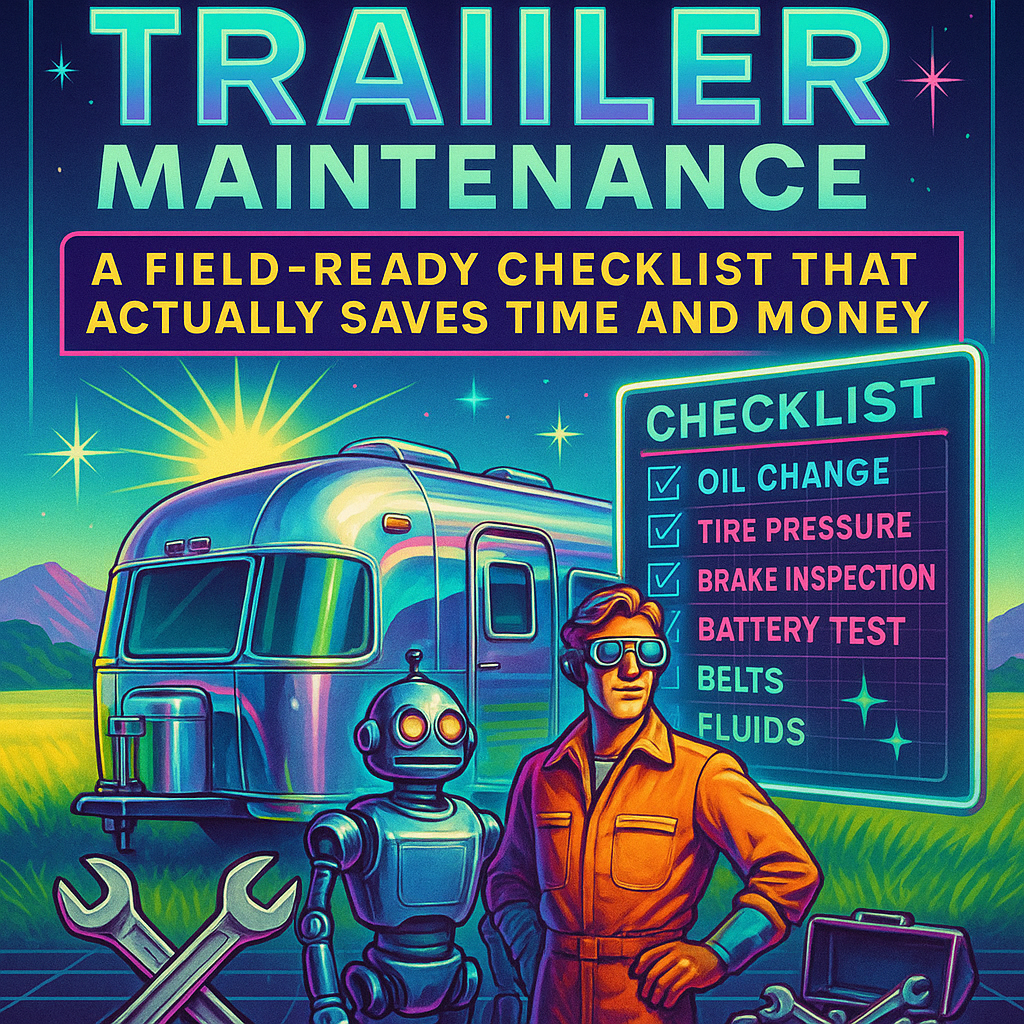
  • Seasonal Trailer Maintenance: A Field-Ready Checklist That Actually Saves Time and Money

    Seasonal Trailer Maintenance: A Field-Ready Checklist That Actually Saves Time and Money

    Seasonal Trailer Maintenance: A Field-Ready Checklist That Actually Saves Time and Money

    I learned the value of a seasonal trailer maintenance plan the hard way. Mid‑March, a busy landscaping crew lost a day on a commercial job when a trailer axle failed on the highway. We had inspected tires and lights but missed the hub bearings that had been taking on water all winter. That single failure cost a day, a lost client slot, and a repair bill that could have been prevented.

    Seasonal trailer maintenance gives you a predictable rhythm to catch wear before it becomes downtime. Use this checklist to turn seasonal work into a low-effort habit that protects revenue, keeps crews working, and extends trailer life.

    Spring: Inspect for winter damage and reset priorities

    Spring is the season of reset. Salt, mud, and standing water take a toll on axles, hubs, and mounting hardware. Start with a walkaround and then move into hands‑on checks.

    Engineers and shop techs I respect always start with wheel bearings, brakes, and suspension pivot points. Repack or replace bearings when signs of water intrusion or roughness appear. Check brake shoes, drums, and pads for glazing or uneven wear. Replace any rusted or bent safety chains and ensure coupler latches operate smoothly.

    Record mileage or hours at every inspection. Small logs let you see patterns across a fleet. If a particular trailer shows repeated bearing or wiring trouble, move it into a higher‑frequency inspection rotation.

    Summer: Prevent heat and load‑related failures

    Summer brings heavier loads and higher temperatures. Heat accelerates rubber and grease breakdown, and overloaded trailers will show it first in axles and tires.

    Check tire pressures with a cold gauge and confirm load ratings match realistic payloads. Inspect sidewalls for cuts and embedded objects. Tighten lug nuts after the first 50 miles following any wheel work. Heat will loosen fasteners and reveal under‑torqued hubs.

    Electrical systems see stress in summer too. Corrosion and loose connectors make intermittent lighting failures that are dangerous and costly. Pull connectors apart, clean contacts, and use dielectric grease at exposed terminals. Test marker lights and brake lights under load, not just at idle.

    Fall: Prepare for storage and winter abuse

    Fall is the time to harden trailers for months of harsh conditions. The goal is to stop moisture and road chemicals from starting long‑term damage.

    Flush and repack bearings if the trailer spent months in wet or salty conditions. Inspect and lubricate slide‑out or moving parts with the correct grease. Check seals around ramps and doors; worn seals let water in and accelerate rust. Address minor rust with wire brushing and primer to stop spread before winter.

    A simple but often missed step is to label and photograph wiring runs and brake lines before winter storage. Those photos save hours when things freeze and you need to diagnose a short or a pinched line.

    Mid‑season crew planning: who does what and when

    Consistency beats perfection. Assign daily quick checks to drivers and weekly checks to techs. A driver’s list should include lights, tire condition, and coupler security. The shop techs take care of brakes, bearings, and wiring.

    Leadership matters here. Put one person in charge of the seasonal schedule so inspections actually happen. If you want to read more about practical approaches to on‑the‑ground leadership and crew alignment, there are strong frameworks that translate directly to trailer shops.

    Winter: Protect moving parts and plan downtime smartly

    Winter damages slowly at first and then all at once. Freeze‑thaw cycles crack seals and let water into bearings and hinges. Snow and salt hide cracks until a part fails under load.

    Where possible, store trailers under cover. If indoor storage is impossible, park trailers on high ground and chock them to prevent prolonged contact with meltwater. Change grease types where appropriate; some heavy‑duty greases resist water better in freezing conditions.

    Plan scheduled downtime for heavier jobs in winter. Use slow days to replace worn hubs, overhaul brakes, and update wiring. Doing this work when demand is low limits the chance of emergency breakdowns when business picks up.

    Records, small investments, and the role of visibility

    A paper stamp on a maintenance form does not count. You need actionable records. Track inspections, parts replaced, and the date of service in a simple spreadsheet or an entry system. Track labor hours per job and compare them across trailers to spot troublemakers.

    Visibility into parts usage reduces rush orders and wasted trips. Order common spares in bulk before winter and centralize them in clearly labeled bins. That reduces shop downtime and keeps techs moving.

    You can also make modest investments in better search and inventory practices that help long‑term. Small improvements in parts tracking and online presence link back to how customers find you. Good seo and clear online inventory listings keep your lot turning without surprises.

    Closing insight: make seasonal maintenance routine, not heroic

    The difference between a trailer that performs for five years and one that performs for ten years comes down to routine. Seasonal trailer maintenance is not dramatic work. It is the steady practice of checking bearings, brakes, tires, wiring, and seals at predictable intervals.

    Start with a simple seasonal checklist. Assign responsibilities. Keep short records. Treat small fixes as investments, not costs. Over time you will see fewer emergency repairs, steadier uptime, and healthier margins.

    Do the routine well and your trailers will repay you in reliability and fewer lost days in the field. That is the kind of efficiency every crew and small business can bank on.

    leadership appears earlier in the article as a resource on managing crews and processes. The mention of seo links operational reliability to the practical work of keeping inventories and listings accurate online.

  • Costly Mistakes Trailer Owners Make — Lessons from a Frozen Job Site

    Costly Mistakes Trailer Owners Make — Lessons from a Frozen Job Site

    Costly Mistakes Trailer Owners Make — Lessons from a Frozen Job Site

    I remember a January morning when a crew showed up to a snowbound job and the trailer sat useless on the lot. The brakes were frozen, the wiring was brittle, and the paperwork didn’t match the load inside. We lost a day, a client, and a half-ton of material that sat unsecured in subzero wind. That one morning exposed three bad habits that quietly cost owners time and money.
    This piece breaks those failures into practical steps you can apply today. The goal is simple: make trailers reliable tools that earn paychecks, not liabilities that eat margin.

    Get the basics right: prevent mechanical surprises

    Most downtime comes from small, preventable failures. Bearings that look fine until they heat-seize. Lights that work in the yard but fail at dusk. Tires that hold pressure one week and are flat at the next job.
    Inspect on arrival, not after trouble. A 10-minute walk-around with a flashlight, wheel checks, and a tongue-coupler inspection takes less time than a tow call. Keep a simple service log in the truck: date, mileage, checks performed, and any parts replaced. Those entries pay off when you trace recurring issues.
    Harden seasonal checks. In cold months, store battery chargers where they can be reached and test battery-backed systems weekly. In hot months, inspect seals and tarp hardware for UV damage. Treat seasonal prep like payroll: skip it and the cost shows up later.

    Fix the small stuff before it becomes a big bill

    Tiny wiring chafes, loose fasteners, and under-torqued wheel nuts rarely get immediate attention. They create cascading failures.
    When you find a minor problem, fix it properly. Don’t wrap a frayed wire in tape and call it done. Replace the section and protect it with split loom or conduit. Use proper-grade fasteners and thread-lock where vibration is constant. One thorough repair now prevents a trailer sitting on the shoulder later.
    Make parts kits for the models you run. A spare light assembly, a spare hub seal, and a handful of unexpected bolts will keep you moving. Stocking a small, well-curated parts kit costs less than a single emergency service call.

    Paperwork and inventory: treat administrative errors as operational hazards

    I once took over a route where manifests and trailer contents rarely matched. Materials went missing or were left behind. Billing lagged. Customers called, and dispatch chased explanations.
    Standardize how loads are documented. Use a single sheet per trailer entry with signatures at pickup and drop. If digital fits your crew, maintain a one-page photo log for each load that shows how cargo tied down and where fragile items sit.
    Accurate inventory avoids wasted trips and lost sales. It also helps with warranty and insurance claims. If you can’t prove what was on the trailer, expect delay and expense when something goes wrong.

    Crew habits and simple rules that reduce mistakes

    Machines fail, but people make patterns predictable. Define three non-negotiable rules for every shift: 1) a pre-trip check, 2) securement verification by two people for loads over a defined size, and 3) a post-trip sign-off.
    Train to those rules and enforce them. When leadership treats procedures like optional, they become optional. If you need a framework to discuss how managers set tone and accountability, the idea of leadership in field operations influences outcomes more than any checklist.
    Small rewards for compliance beat big penalties for failure. A steady rhythm of recognition for crews who follow the system builds pride and cuts errors.

    Keep your online and operational house in order to protect margins

    Out-of-date inventory listings and inconsistent online descriptions create real-world waste. A buyer arrives expecting one spec and finds another. Trucks leave the lot and trains leave empty-handed.
    Simple online discipline—accurate listings, timestamped photos, and a clear note on required towing equipment—saves hours. If you manage inventory across multiple sites, consistent naming and searchable entries prevent duplication and over-ordering. Many operators underestimate how much time bad information costs. A modest investment in better processes and tools for tracking inventory and visibility pays back quickly through fewer mis-ships and faster turns. For dealers and owners exploring better visibility, practical guides on seo and digital accuracy can be surprisingly relevant to discovery and lead flow.

    When to schedule deeper audits

    If you see repeated failures in the same category — lights, brakes, or documentation — schedule a focused audit. Pull three trailers at random and walk them together. Log every deviation and assign a single owner to correct the root cause.
    Audits expose systemic issues before they become crises. Fixing one root issue often eliminates dozens of small problems.

    Closing insight: design anti-fragile routines, not just repairs

    The smartest shops I’ve seen do two things well. First, they assume failure is a path, not an exception. That mindset shifts work from firefighting to prevention. Second, they design simple, repeatable routines that crews can follow without long manuals.
    A one-page pre-trip, a parts kit, a short photo log for each load, and clear role ownership transform trailers from liabilities into reliable tools. Those routines keep your crews on the road, reduce unexpected costs, and protect client relationships.
    If you return to the yard tomorrow and do only one thing, make that a disciplined walk-around and a comparison of what’s in the trailer to what the manifest says. It costs ten minutes and often saves a day.
    Get the basics right and the rest of the business becomes easier to run.
  • Trailer Maintenance That Saves Jobs: A Field-Proven Plan

    Trailer Maintenance That Saves Jobs: A Field-Proven Plan

    Trailer Maintenance That Saves Jobs: A Field-Proven Plan

    I learned the hard way one December morning when a loaded trailer refused to move from a muddy jobsite. The truck was fine. The customer was not. The culprit was a corroded axle swivel and a seized breakaway—things I thought I’d check but hadn’t. That day cost hours of labor, a missed delivery window, and a reputation hit I could not afford.
    This article walks through a practical trailer maintenance routine that keeps work moving. The advice comes from years hauling, fixing, and running small crews, not theory. Read it for concrete checks, a weekly rhythm you can actually keep, and the people-systems that stop small faults becoming big failures.

    Spot the weak links first: quick checks that catch the problems early

    Trailer maintenance starts with a short, consistent inspection that anyone on the crew can run before work. Spend 10 minutes, every morning, and you will avoid expensive downtime.
    Start at the tongue and work rearward. Check coupler fit, safety chains, and the tongue jack for wobble or play. Look at wiring connections and the breakaway switch for frayed cables or corrosion. Inspect tires for sidewall damage, low pressure, and nails. Spin each wheel by hand when safe and feel for rough bearings or dragging brakes.
    Record one small failure you found and the fix. That single line of accountability makes inspections real and creates a habit.

    The 30-minute weekly maintenance routine that actually fits a busy schedule

    Daily inspections catch the obvious. Weekly checks catch what hides under grime.
    Allocate a 30-minute block once a week. On my crew we do this Friday afternoon before tools come in. Break the 30 minutes into five focused checks: suspension and hangers, axle and bearing play, lighting and connectors, ramp or gate hardware, and the hitch and coupler torque.
    For bearings, a quick repack every 12 months or 12,000 miles keeps heat and wear down. Replace grease seals at the first sign of leakage. For brakes, watch for uneven pad wear and pull the drum to verify shoes and springs. Clean and apply a light corrosion inhibitor to exposed metal fasteners; don’t over-oil moving linkages.
    If a part will cost more to repair than to replace and it affects downtime—replace it. Cost calculus favors uptime.

    Seasonal prep and simple upgrades that pay in reliability

    Seasons change what fails. Winter brings frozen lines and brittle plastics. Summer brings overheating bearings and sun-dried wiring.
    Before winter, swap cheap rubber breakaway cords for weather-rated steel-cored cables and inspect battery terminals on any electric brakes. Add a block of sacrificial anode metal to trailers operating near saltwater. Before summer, verify bearing preload and check cooling airflow around electric brake controllers.
    Simple upgrades like heavier-duty jack stands, sealed LED lighting, and DOT-approved safety chains are not flashy, but they reduce calls at 2 a.m. Think of upgrades as insurance: small upfront cost, big reduction in emergency repairs.
    Midway through a season, audit what failed most and adjust stock levels. Parts you pull twice in one month deserve a dedicated shelf on the truck.

    Make maintenance stick: leadership, training, and documentation

    Maintenance fails when it lives only in a few heads. Make it visible. Post a one-page inspection sheet by the shop door and train every new hire on it. Tie completion to payroll checks or morning huddles for real follow-through.
    Good leadership doesn’t mean yelling from the office. It means setting clear, simple expectations and making it easy for crews to meet them. A 10-minute weekly walk with a clipboard from the owner or manager changes behavior far more than an email.
    Document every repair with date, miles, and the next recommended check. Over a year you will see patterns and will know whether a part has a design issue or it’s a usage problem.

    Use online tools and local knowledge to reduce downtime and costs

    Track common part numbers and lead times. If a hub cap or spindle takes three days to arrive, keep one in stock. If vendors near you can ship next day, maintain a running list and local contacts.
    A basic online presence helps with parts discovery and pricing. Invest time in simple seo and accurate inventory pages if you sell parts or trade trailers. Clear online listings save phone calls and let you compare genuine parts versus low-cost knockoffs quickly.

    Closing insight: small habits compound into reliable operations

    Trailer maintenance is not dramatic. It is repetition, discipline, and a bias toward fixing small things before they break big. A 10-minute pre-trip check, a 30-minute weekly routine, seasonal prep, and visible accountability will cut emergency repairs and keep crews on schedule.
    After I started this rhythm, we reduced tow calls by more than half in six months. Jobs finished on time more often. That rebuilt trust with customers and gave the business room to grow. Trailers are tools. Treat them like the expensive tools they are and they will return the favor.
    If you want a one-page inspection sheet in a printable format tailored to your trailer type, I can draft one sized to your operation and the common rigs you run.