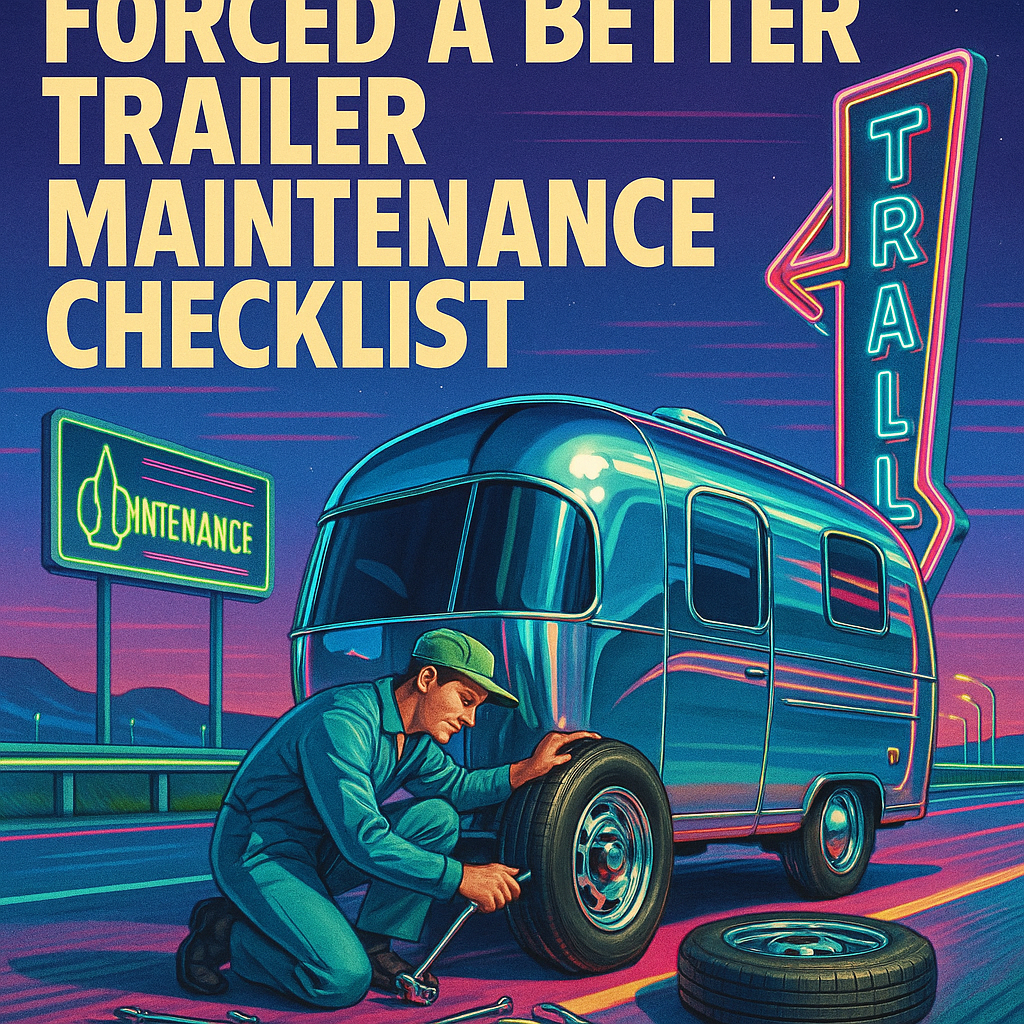
How a Single Flat Tire Forced a Better Trailer Maintenance Checklist
I remember the morning like it was a lesson plan. We were six hours into a road job with a trailer full of tools and material when the right rear tire let go. The jack we had didn’t fit the trailer, the spare was low, and the paperwork in the glovebox showed the last service was a year earlier. We lost half a day and a client’s patience.
That day taught me why a practical trailer maintenance checklist is not optional. It is a living tool that keeps you moving, protects your crew, and preserves margin. Below I lay out a field-tested checklist and the operational steps that make it stick.
Build a trailer maintenance checklist that fits real work
A checklist that reads like a manual will gather dust. Instead, build one that matches your weekly rhythm. Start with four categories: tires and wheels, lights and electrical, hitch and frame, and fluids and paperwork. Put the high-risk items at the top.
Tires demand the most discipline. Check pressure cold, inspect for sidewall cuts and tread depth, and roll the trailer a few feet to look for bearing heat. Wheels and lug nuts come next. Use a torque wrench on a scheduled basis and after any heavy haul.
Lights and electrical are simple to check yet easy to overlook. Walk around with a helper and test running lights, brakes, and turn signals before every trip. Carry spare bulbs, fuses, and a small wiring kit for quick field repairs.
Hitch, coupler, and safety chains are the center of trailer control. Inspect for wear and proper latch engagement. Grease moving parts and verify breakaway systems and emergency brakes on trailers that have them.
Paperwork matters. Keep a log of inspections, tire purchases, and repair invoices. A short note beats a vague memory when you need to justify a warranty or track recurring problems.
Make checks predictable: schedule, role, and failure modes
Routine sticks when it is predictable. Assign one person to pre-trip inspections and another to monthly maintenance. When roles are clear, mistakes get noticed sooner.
Create a weekly pre-trip checklist that takes five minutes and a monthly checklist that takes 30–60 minutes. Note common failure modes on each item. For example, list expected tire pressure, normal bearing temperature range, and signs of wiring chafing.
Train the team where the checklist lives and run a short review every month. This builds ownership and reduces surprise breakdowns.
Fix small problems before they cost you big time
A slow leak ignored for a month becomes a blowout on the highway. Replace a frayed safety chain before it snaps. Re-torque the lugs after a heavy load. Addressing small issues early preserves uptime and safety.
When you discover a recurring fault, trace the root cause. If a particular trailer keeps overheating bearings take it off the schedule and inspect the hub, grease, and spindle. If wiring fails in the same place, check routing and secure it away from sharp edges.
Document fixes in your log. Over time you will spot patterns that point to component replacement rather than repeated repairs.
Use simple tools and spare parts that matter in the field
You do not need a full shop at every stop, but you do need the right essentials. Keep a field kit with a torque wrench, basic sockets, a good jack sized for your trailer, a small air pump, a spare tire in good condition, and a compact wiring repair kit.
Replace consumables when you use them. A spare that sits with low pressure is worse than none. Make topping the spare tire pressure part of your monthly routine.
Tools and parts live where they are always available. Stow them on the tow vehicle or a dedicated spot on the trailer so the team does not waste time hunting.
Leadership matters: set expectations that survive the shift change
Operational success ties to how leaders set expectations and follow up. Clear checklists reduce ambiguity. Short debriefs after jobs capture near-misses and update the checklist.
I learned to treat trailer upkeep like crew safety. Lead from the front by doing random spot-checks and by acknowledging when someone finds and fixes a problem. If you want buy-in, let crews contribute to the checklist. Their questions reveal blind spots.
Good leadership also means investing time in small training sessions. A ten-minute demo on proper jack placement and lug-torque technique prevents common errors. If you want frameworks for leading teams under pressure, study contemporary approaches to leadership and adapt the tactics that match your operation.
Keep your online presence honest and useful to customers and partners
If you list equipment specs or availability for clients, accuracy matters. Use clear photos and honest notes about condition and capacity. That builds trust over time and reduces on-site surprises.
For those who manage websites for their small trailer business, basic seo work can help potential clients find accurate information quickly. Focus on clear service descriptions and up-to-date contact methods rather than clever copy.
Final insight: maintenance is a routine that pays in time and trust
The flat tire morning cost us an afternoon and taught a system: a short, focused trailer maintenance checklist; predictable roles; the right field kit; and simple leadership to enforce the routines. Adopt these steps and you will reduce breakdowns, protect your crew, and keep jobs running on schedule.
When you walk out to a trailer now, the inspection is less ritual and more like insurance. A five-minute check keeps you from losing half a day. Over a season, those minutes add up to wins you can count in completed jobs, kept relationships, and fewer emergency calls.
Start with one change this week. Add spare tire maintenance to your monthly log. See how many small problems disappear in the next month. You will find the checklist becomes your best silent crew member.
Leave a Reply