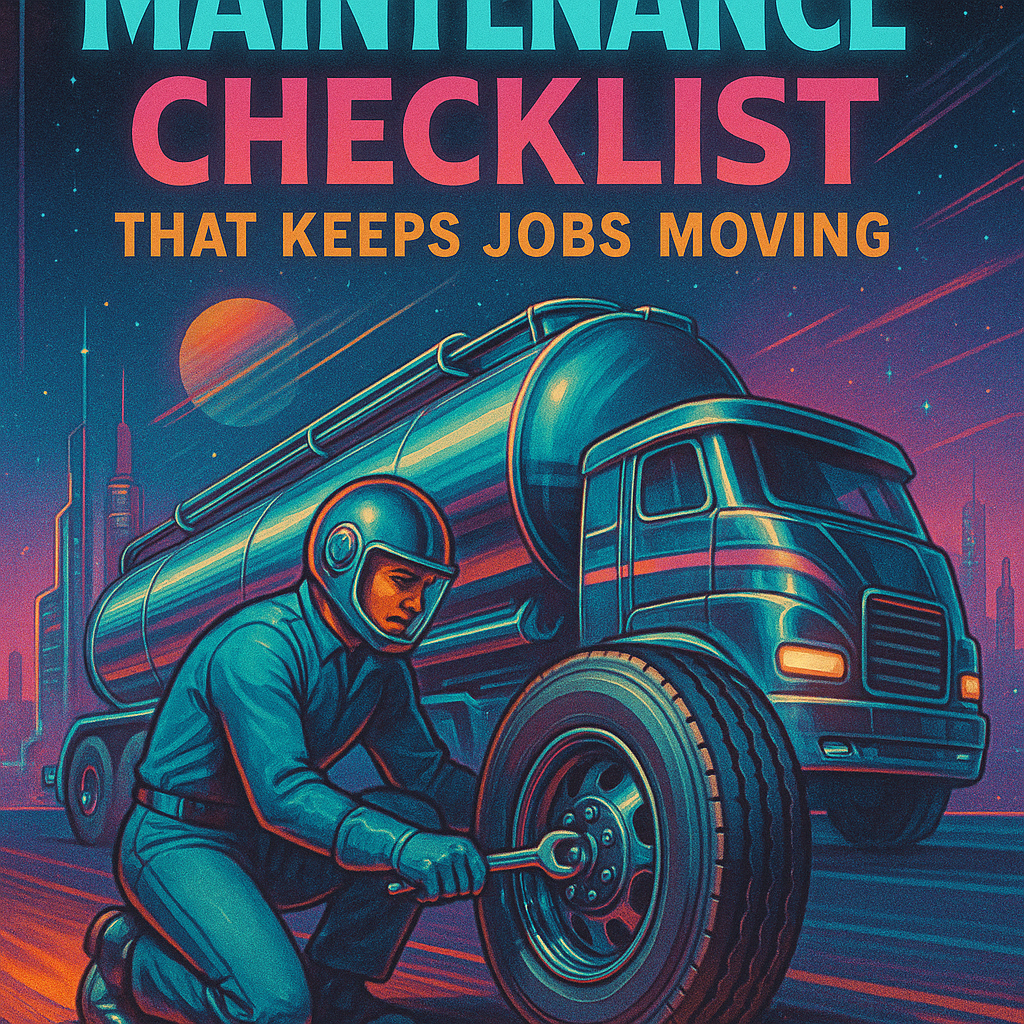
Trailer Maintenance Checklist That Keeps Jobs Moving
I learned this the hard way on a gravel road at 6 a.m. A loaded trailer lamp went dark, a taillight bracket tore free, and what should have been a 30-minute drop turned into a four-hour scramble with customers waiting. From that morning forward, I built a trailer maintenance checklist that fits a real workday. It stops breakdowns and keeps crews productive.
Keeping a short, repeatable trailer maintenance checklist prevents downtime. It also saves money by catching small failures before they become big repairs. Use the steps below as a field-proven routine you can run through in minutes before every week of work.
Daily quick check: what to scan before you pull away
Start with a walkaround. Open gates and doors. Walk the full perimeter and touch the tires. Look for obvious wiring issues, loose fasteners, or anything rubbing against the frame.
Check lights and signals. Test brake lights, turn signals, and running lights. A quick helper with a phone makes this faster when you need to test signals while hitched.
Confirm tire pressure and visible damage. Proper tire pressure prevents heat build and uneven wear. Replace tires that show deep cracks or sidewall bulges.
Inspect coupler and chains. Ensure the coupler latches and pins are present. Safety chains should be free of heavy rust and cross under the coupler to cradle the tongue if it separates.
Weekly deeper inspection: catch wear before it bites
Check wheel bearings and brakes. Spin each wheel on a jack and listen for roughness. Heat after a run can indicate bearing trouble. Look for uneven brake pad wear and test brake response under light load.
Examine the flooring and load points. Plywood and composite floors fail where loads concentrate. Probe seams and tie-down anchor points for looseness or rot. Reinforce or replace any anchor hardware that wiggles.
Review suspension and fasteners. U-bolts, bolts, and hangers loosen over time. Torque critical bolts to factory specs and replace any damaged hardware.
Lubricate moving parts. Hinges, couplers, and latches last longer with a thin film of grease. Use a high-quality marine or chassis grease on exposed bearings and pivot points.
Monthly systems review: wiring, corrosion, and electrical health
Trace wiring runs and secure loose sections. Vibration wears insulation where wires contact sharp edges. Reroute or protect exposed wiring with conduit or spiral wrap.
Test the charging source and trailer battery. If you depend on trailer-mounted batteries for ramps or lights, test charging and load capacity. Replace batteries that fail to hold a charge under load.
Look for corrosion where steel meets salt or moisture. Scrape loose rust, prime, and paint affected areas. Corrosion hides under brackets and inside pockets. Treat those spots before they widen.
Season prep and storage: winterize and ready for spring
Drain and protect electrical connections before salt season. Use dielectric grease on connectors to repel moisture. Remove batteries if trailers will sit idle for months.
Treat tires for long-term storage. Inflate to recommended pressure and lift the trailer or move it occasionally to avoid flat spots. If you store under a cover, allow airflow to prevent trapped moisture.
Plan a spring safety day. Schedule a full service once roads clear. Replace worn tires, rebalance wheels, and inspect brakes after months of inactivity.
Crew routines and communication that make maintenance stick
Make the checklist part of the shift handoff. A one-page log keeps responsibility clear. When operators sign off on the daily check, problems move to repair promptly.
Train a second set of eyes. Teach operators to spot common failures and how to secure a load when they find one. Good on-the-job training builds competence and reduces surprise repairs.
Lead from the front. If you want checks done consistently, show the team how you complete them. Solid leadership matters more than apps or rules when crews face weather and tight schedules.
Digital tools and presence that help your business get found and booked
Keep a simple digital archive of maintenance records. A photo with a short note is faster than a long report. These records help track recurring issues and support warranty claims.
If you publish availability or services online, invest wisely in seo for local search. Accurate location data and service descriptions bring the right calls. Better visibility reduces the scramble to find short-term help.
Closing insight: small routines stop big failures
A trailer is a work tool. Treat it like one. Daily walkarounds, weekly deeper checks, and monthly systems reviews catch problems while they are cheap to fix. Pairing those routines with clear crew responsibility and simple digital records closes the loop.
I still remember the first morning lost to a broken taillight. I lost more time than I needed to. The checklist above turned that lesson into predictable uptime. Run it until it becomes habit. Your schedule, your crew, and your bottom line will thank you.
Leave a Reply