The Trailer Purchase Starts Before the Deposit
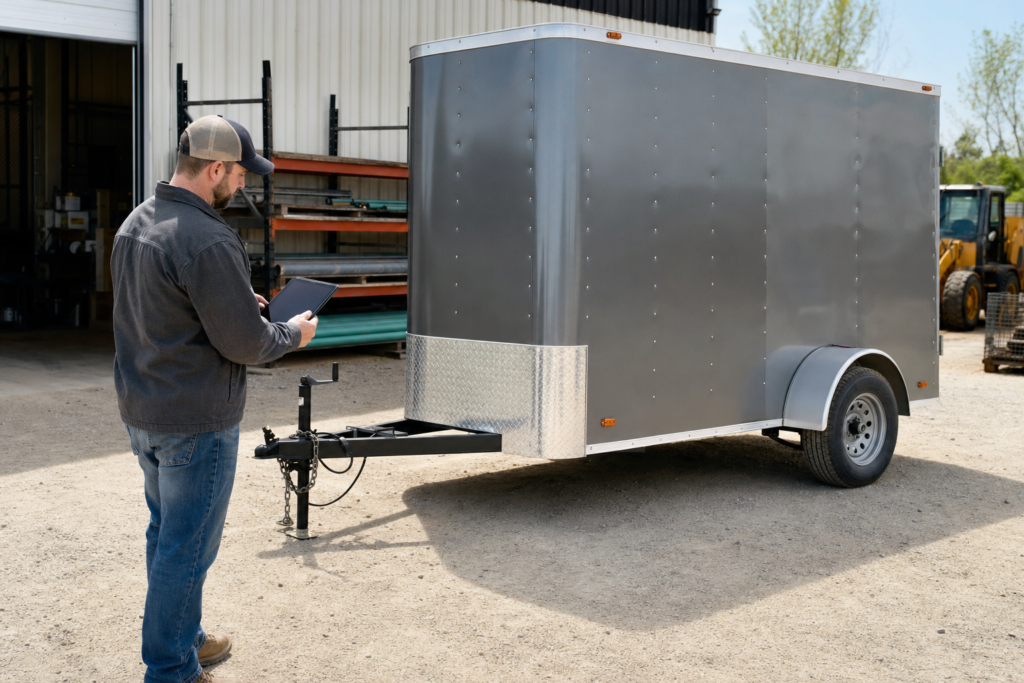
A contractor may know exactly which trailer would make the next season easier. The dangerous part is treating the purchase price as the whole decision. Cash leaves in stages: deposit, balance at pickup, registration, hitch work, racks, graphics, tools and the first round of supplies. Cash may not return until the first completed job is invoiced and collected.
That sequence matters to landscapers, remodelers, tree crews and small site contractors. A trailer can increase capacity while still creating a short-term hole in the account.
Build the purchase timeline
Start with five dates: deposit due, pickup or delivery, setup complete, first billable job and first expected collection. Add the other cash commitments already on the calendar, such as payroll, insurance renewals, fuel, rent and quarterly taxes. If the dates overlap, the purchase needs a larger reserve, a customer deposit or a slower rollout.
Use the contract’s real payment terms. “We usually get paid quickly” is not a forecast. If a landscaper begins a weekly maintenance account in April but the customer pays at month end, the trailer and labor may be funded for several weeks. A construction client may approve invoices only after a supervisor signs off. Those details belong in the buying decision.
Do not forget the setup bill
Two trailers with the same sticker price can require very different startup cash. One may need a brake controller, spare tire and shelving. Another may need a ramp, locks, tie-downs, a ladder rack or a custom interior. List each item and mark it as required for the first job, useful later or cosmetic.
Stage the work when safety allows. A secure lock and compliant lighting come before a wrap or upgraded storage. The goal is not to make the trailer bare. It is to keep optional spending from delaying the job that will pay for the purchase.
The broader cash-flow lesson in this Entrepreneur source article is relevant here: a sound business can still run short when money is committed before revenue arrives. Trailer buyers should judge a purchase by its cash calendar, not by confidence alone.
Match the trailer to collected work
Write down the jobs the trailer will support during its first 60 days. Estimate price, direct labor, materials, fuel and the date each customer is likely to pay. Avoid counting the same crew or truck twice. If the trailer only works when the owner adds overtime, include that cost and the limit on available hours.
Then create a slower case. Remove the largest expected job. Delay one collection by two weeks. Add a repair or a return trip. A purchase that survives those changes is easier to carry. One that fails may still be worthwhile, but the business needs a deposit, a smaller configuration or a financing structure that preserves working cash.
Invoice with the trailer in mind
Once the new equipment is working, invoice promptly and make the invoice easy to approve. Include photos, signed completion records and the purchase order number when required. For larger installations, use progress billing or a materials deposit if the agreement permits it. The trailer should not be asked to float an entire project while the customer holds the cash.
Keep a separate line for trailer-related revenue and costs for the first few months. That view shows whether the new capacity is producing collections or merely adding payments. It also helps identify work that looks busy but leaves little after labor, fuel and maintenance.
Keep a reserve after pickup
Do not spend the last available dollar at the dealership. Preserve cash for the first tire issue, replacement strap, registration surprise or slow-paying customer. A reserve also gives the contractor room to turn down work with poor terms rather than accepting every job to cover a payment.
One more check is useful: compare the trailer’s payment date with the season’s slowest month. A purchase made before peak demand can still strain cash if deposits and collections arrive later than expected. Leave room for that gap.
For a plain explanation of inflows, outflows and timing, read Cash Flow Mike’s educational guide. Before signing, run the numbers through the Clear Path to Cash free calculator and test the deposit, setup and collection dates together.
A trailer earns its keep only after the work it supports turns into collected cash. Plan that handoff before the deposit, and the purchase becomes a business decision rather than an expensive interruption.
Leave a Reply